The Ezra Klein Show
Ezra Klein invites you into a conversation on something that matters. How do we address climate change if the political system fails to act? Has the logic of markets infiltrated too many aspects of our lives? What is the future of the Republican Party? What do psychedelics teach us about consciousness? What does sci-fi understand about our present that we miss? Can our food system be just to humans and animals alike?
Want the full transcripts? Read any episode of The Ezra Klein Show word for word on Podmenti. Podmenti →Most mentioned books
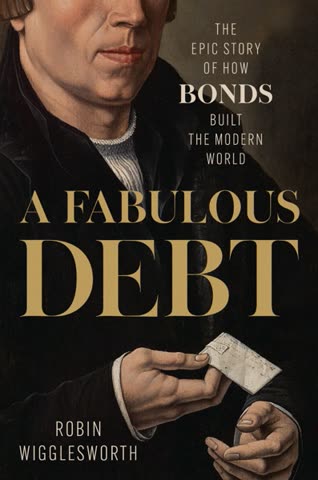
- 1 A Fabulous Debt: The Epic Story of How Bonds Built the Modern WorldRobin Wigglesworth · 1× across 1 episode
- 2 Barbarians at the GateBryan Burrough and John Helyar · 1× across 1 episode
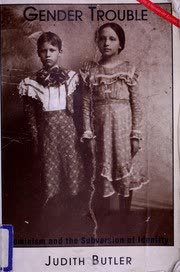
- 3 Gender TroubleJudith Butler · 1× across 1 episode
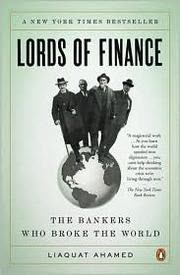
- 4 Lords of FinanceLiaquat Ahamed · 1× across 1 episode
- 5 My Silent WarKim Philby · 1× across 1 episode

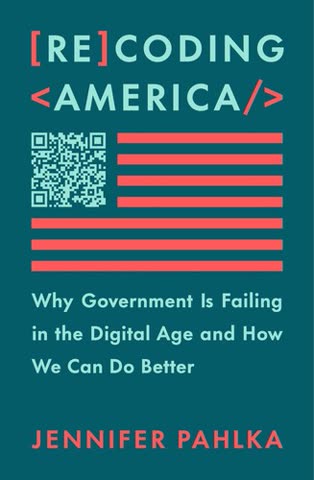
- 6 Recoding AmericaJen Palka · 1× across 1 episode
- 7 The Prize: The Epic Quest for Oil, Money, and PowerDaniel Yergin · 1× across 1 episode

- 8 The Time TaxAnnie Lowry · 1× across 1 episode

- 9 To Hate Like This Is To Be Happy ForeverWill Blythe · 1× across 1 episode

- 1 A Fabulous Debt: The Epic Story of How Bonds Built the Modern WorldRobin Wigglesworth · 1× across 1 episode
- 2 Barbarians at the GateBryan Burrough and John Helyar · 1× across 1 episode
- 3 Gender TroubleJudith Butler · 1× across 1 episode
- 4 Lords of FinanceLiaquat Ahamed · 1× across 1 episode
- 5 My Silent WarKim Philby · 1× across 1 episode
- 6 Recoding AmericaJen Palka · 1× across 1 episode
- 7 The Prize: The Epic Quest for Oil, Money, and PowerDaniel Yergin · 1× across 1 episode
- 8 The Time TaxAnnie Lowry · 1× across 1 episode
- 9 To Hate Like This Is To Be Happy ForeverWill Blythe · 1× across 1 episode
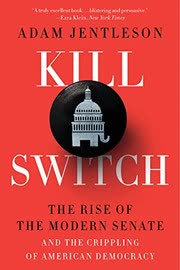
“Gentlemen is also the author of two books, Kill Switch, The Rise of the Modern Senate and The Crippling of American Democracy”
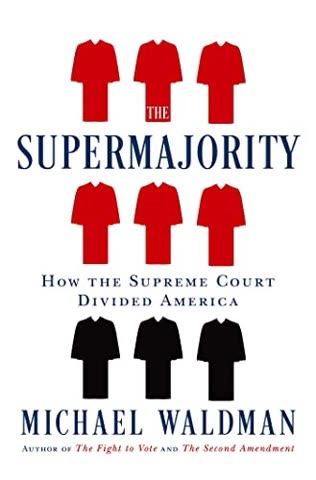
“as well as Supermajority, which is a book that really grounds this conversation in his theory of what it would look like for Democrats to try to Act, think, and govern”
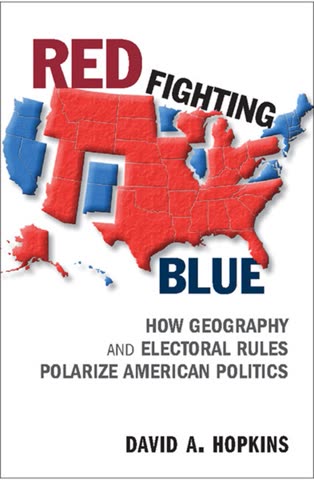
“and another one called Red Fighting Blue, that's more about geography and politics”

“The third book is a work of fiction called The Gay Place by Billy Lee Brammer”

“He's the author of several books, including Globalist High X Bastards, but relevant for here. Muskism, which coauthored with Ben Tarnoff”

“relevant for here. Muskism, which coauthored with Ben Tarnoff”
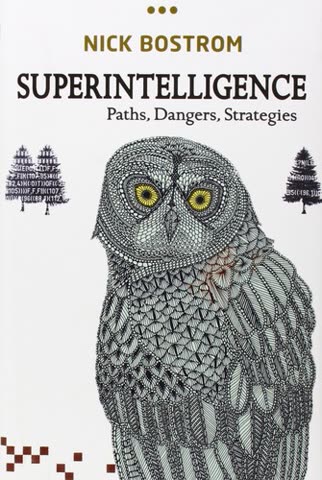
“the Swedish philosopher Nick Bostrom, whose book Superintelligence had come out the year before”
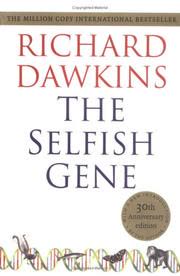
“the same guy who coined the term meme in his book The Selfish Gene. From 1976”

“the foundation series from Isaac Asimov is something he re refers to constantly”
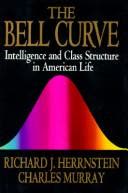
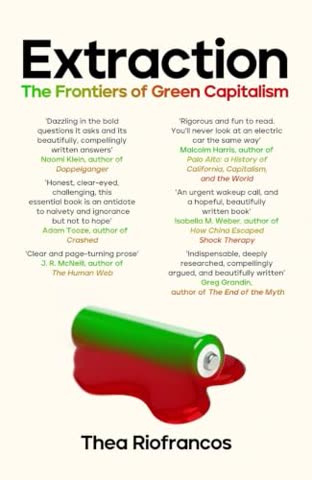
“Thea Ria Francos' book, Extraction, The Frontiers of Green Capitalism”
“It's called Against Tech Oligarchy. Bye. J. S. Tan and Clarissa Radwine”
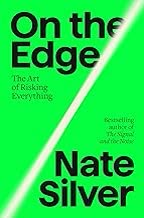
“He co-hosts a podcast Still Counting, and he's the author of most recently On the edge, the art of risking everything”
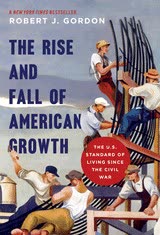
“The first one is The Rise and Fall of American Growth by the economic historian Robert Gordon”

“Probably the best poker related book of all time is called The Biggest Game in Town. It was written by a guy named Al Alvarez in nineteen eighty three”
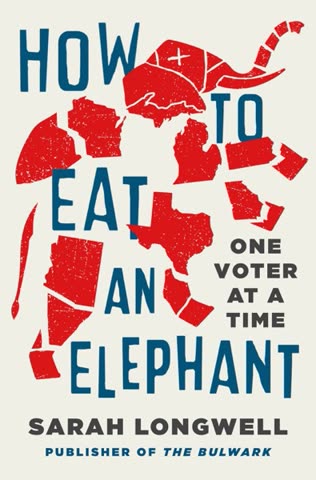
“An author of the recent book How to Eat. An elephant. She joins me now”



“Poison Wood Bible. My barber keg solver, which I had not Read or I must have I don't know if I had read it in high school or something”
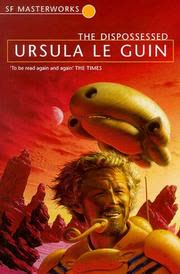
“one is The Dispossessed by Ursula K. Leguin. Do you know it? So I love this book”
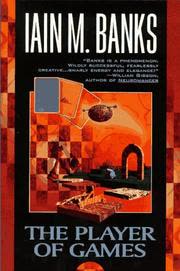

“And then my third pick is Book of Lives, A Memoir of Sorts by Margaret Atwood”

“Middle March is sort of my f go to on thinking about normal people being swept along by kind of the winds of change as a major technology revolution's taking place”
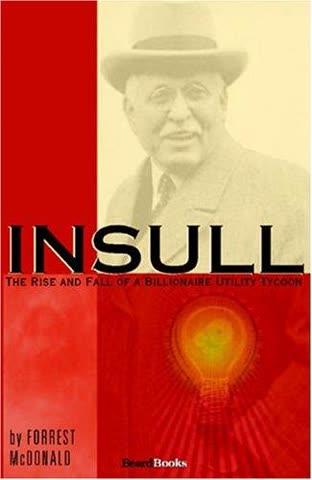
“So insult, The Rise and Falls of a Billionaire Utility Tycoon by uh by the way, Forrest McDonald”
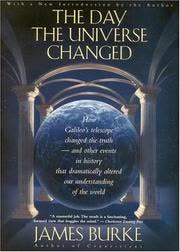
“the first is uh The Day the Universe Changed. It's written by a BBC science journalist back in the early eighties”

“the the second book is um Uh Fathers and Sons by Turgenev, which is uh Book written in the nineteenth century”

“And then the the final one, which I'm I'm just rereading again, is uh Conded by Voltaire”

“Turco's latest book. Artificial intimacy. Who we become when we talk to machines. turns his lens on AI”
“this study that I first did in the second self was really people were moving away from their punch cards”
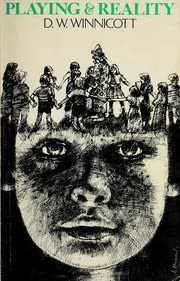
“one of the books I'm gonna suggest is D W Winnicott, Playing in Reality”
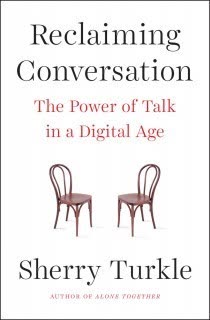
“I remember interviewing for my book Reclaim in Conversation, I interviewed this kid”
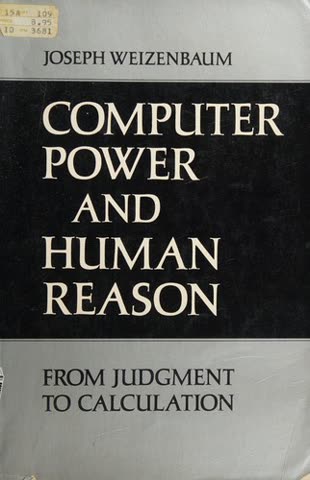
“Joseph Weisenbaum. Computer power and human reason, the book that talks about the Eliza program”
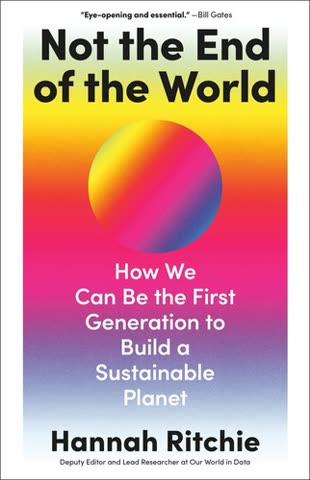
“I really like Hannah Ritchie's book, Not the End of the World. She has a newer book, but this one's from twenty twenty four and I still like it very much”
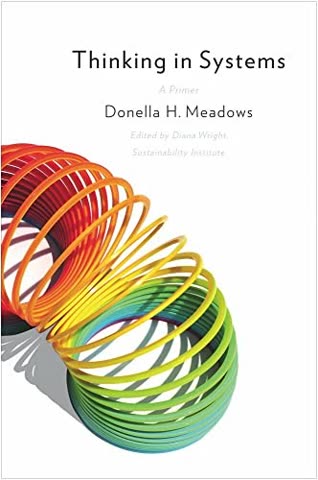
“that led me to the book Systems Thinking. By Donella Meadows from many many years ago”
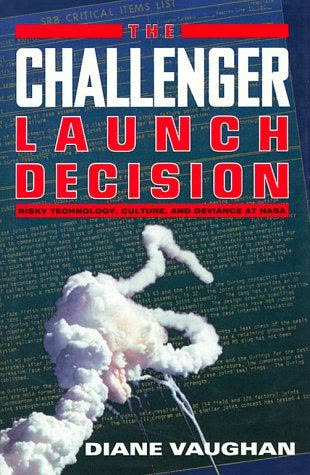
“number one, the challenger launch decision. So this is a book about why the Challenger exploded, and it's by Diane Vaughn, who's a social scientist”

“Little Witch Hazel, it's a picture book by Phoebe Wall”
“And then Third and uh most importantly, I guess, if you were gonna pick one, it would be The Sabbath by Rabbi Abraham Joshua Heschel”
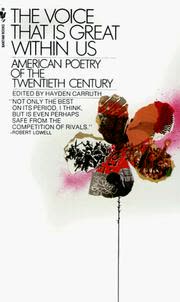
“It's a book of poetry called The Voice That Is Great Within Us. It's by Hayden Caruth, and it is a remark remarkable collection of twentieth century poetry”
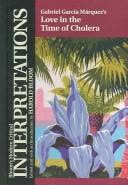
“It's a book written by Gabriel Garcia Marquez called Love in the Time of Cholera”

“Well, one I literally binged this weekend was the correspondent by Virginia Evans. That's, you know, fiction, very touching, uh, uh, very upbeat”

“there's uh one called Into the Woodchipper by Nicholas Enric, uh, which talks about how uh somebody didn't go to a party one weekend and they decided instead to put USAID uh into the wood chipper”
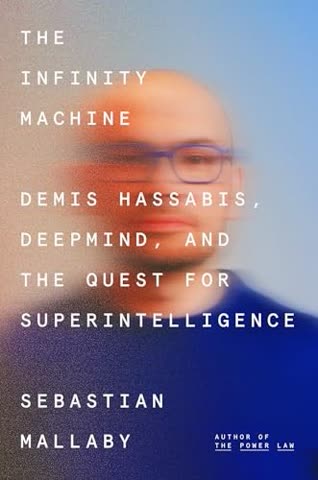
“about a month ago I read The Infinity Machine by Sebastian Malaby. Uh AI book. uh yeah history uh of uh dean Dimas Hasebas and Deepmind but you get a sense of the whole founding of the AI industry”

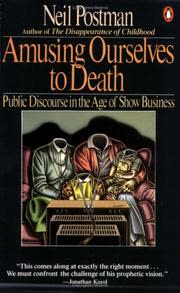
“the second is amusing ourselves to death. I know you talk about it all the time, but you know, I I Neil Postman”

“The third is the Sum of Us, Heather McGee”
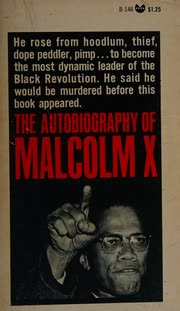
“And then the fourth one is the autobiography of Malcolm X, as told to Alex Haley”
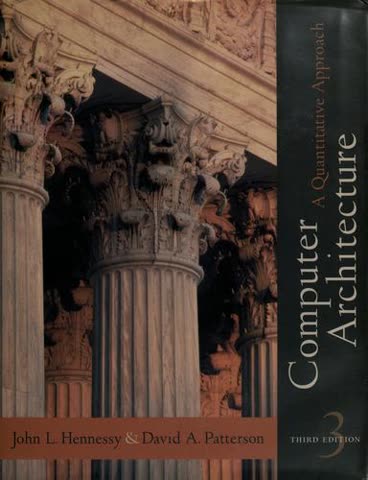
“The book that that made a huge impact on me was Computer Architecture from Hennessy and Patterson, A Quantitative Approach”
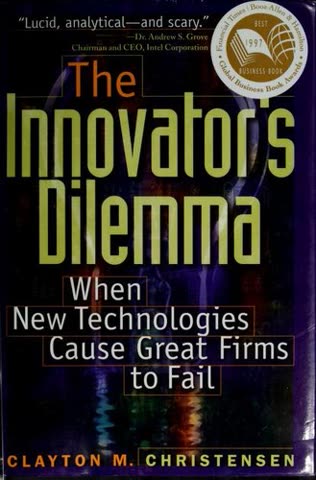
“Number two, I really loved uh Innovator's dilemma, uh, Clayton's past, but but um Clayton Christensen's book on how how industries evolve over time and how to see uh emerging technology”
“I really loved Al Reese's and Jack Trout's um book on positioning. U it it's a really wonderful book about how people see it's it's a book about marketing strategy”
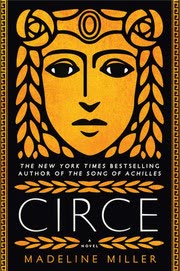
“There's a line from Madeline Miller's beautiful book Circe that has been running through my head. during this long summer of strange AI news”
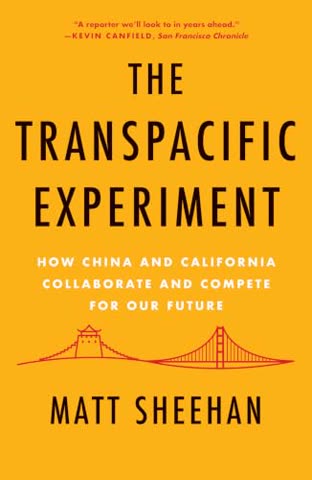
“he's the author of the 2019 book, The Trans-Pacific Experiment, how China and California collaborate and compete for our future”
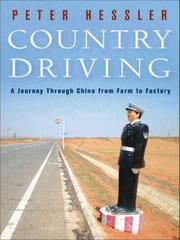

“Another one a little bit more obscure. It's called From the Soil, The Foundations of Chinese Society. It's a book by a Chinese sociologist in the 30s and 40s, a guy named Fei Xiao Tong”
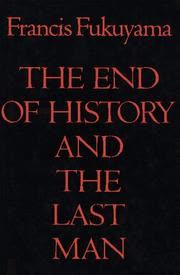
“The book was called The End of History and the Last Man, and it was anything but triumphalist”

“Socrates in the Republic asks, well, we have reason, we have desire, but isn't there a third part of the soul”

“1950s about, you know, the experience of African Americans that had moved from the South to the North. You didn't have official legally sanctioned segregation. What you had was the invisibility. That's where the invisible man in the title comes from”

“You wrote a book in 2021 that I think introduces an interesting tension into this, which is called Liberalism and Its Discontents”
“One is Jennifer Polke's recoding America. I think she is the most insightful, in a way, critic of what's wrong with the American bureaucracy”
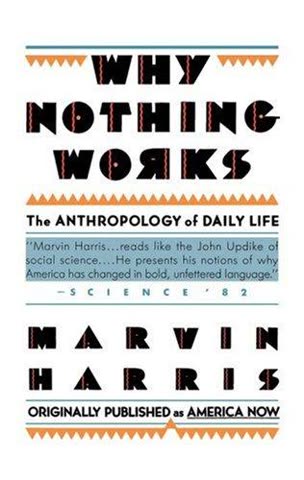
“The second one is Mark Dunkleman's Why Nothing Works, where he puts everything in a bigger historical context”

“And he's also the author of this book, Hyperpolitics Extreme Politicization Without Political Consequences”
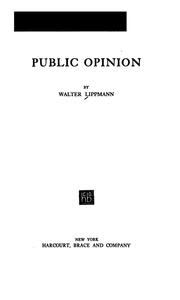
“you go back to Walter Littman's book Public Opinion, which I think comes out in 1922”

“The first is The Prophet by Isaac Deutscher”

“The final one, and I'm not sure there is already an English translation of this, is Some Months from My Life by the French writer Michel Wellbeck”
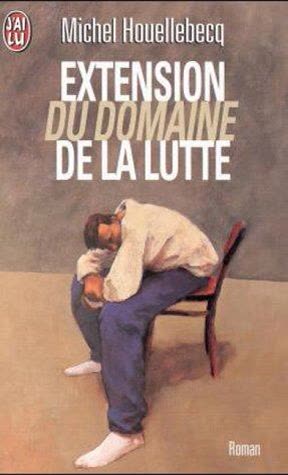
“is translated into into English as extension of the domain of struggle”
This website uses cookies
We use cookies to make Bookmenti work and, with your consent, to understand how it is used so we can make it better. Allow all, Deny the optional ones, or Customize what you allow.
Necessary cookies make a website usable by enabling basic functions like page navigation and remembering the choices you make. The website cannot work properly without them.
Remembers your answer in the cookie dialog, so you are not asked on every page.
Only set when a member of our own team signs in to Bookmenti Studio, the tool we plan our book clips in. It keeps them signed in. Visitors never get it.
Only set if Cloudflare, the network that delivers this site, has had to check that your browser is not an automated attack. It remembers that you passed, so you are not checked again on every page. It is not used to follow you.
Preference cookies let a website remember information that changes how it looks or behaves, like your preferred language or the region you are in.
We don’t currently use any cookies in this category.
Statistics cookies help us understand how visitors use the website by collecting and reporting information, so we can make it better.
Umami, which we host ourselves on servers in the EU. It shows which pages are visited and what is clicked, and can replay how a visit went, with typed text hidden. It sets no cookie, keeps nothing in your browser, and the data is not shared with anyone.
Tells visits apart with a random ID and keeps the current session together, so page views and clicks can be counted per visit instead of per click.
Tells visits apart with a random ID and keeps the current session together, so page views and clicks can be counted per visit instead of per click.
Keeps details of the current visit in this tab, such as the page it started on and where it came from, so they can be attached to what is counted.
Keeps details of the current visit in this tab, such as the page it started on and where it came from, so they can be attached to what is counted.
Tells the tabs of one visit apart, so a recording of the visit plays back in the right order.
Tells the tabs of one visit apart, so a recording of the visit plays back in the right order.
Marketing cookies are used to follow visitors across websites, so that ads can be shown that are relevant to the individual visitor.
We don’t currently use any cookies in this category.
Cookies are small text files a website can use to make a visit work better. The same rules apply to similar storage in your browser, so we list both here.
The law lets us store what is strictly necessary for the site to work. For everything else we need your permission, and nothing optional loads before you give it.
You can change or withdraw your consent at any time with the cookie button in the lower left corner. The Cookie Declaration lists exactly what we use, and the Privacy Policy says who we are and how we handle personal data.
Eggvelop ApS · CVR 44287463