The Dissenter
My name is Ricardo Lopes, and I’m from Portugal. Thank you for visiting my podcast. Over the past few years, I have conducted and released more than 900 interviews and talks with experts and academics from a variety of areas and disciplines, ranging from the Arts and Philosophy to the Social Sciences and Biology. You will certainly find a subject of your interest covered here. New interviews are released on Mondays,
Want the full transcripts? Read any episode of The Dissenter word for word on Podmenti. Podmenti →Most mentioned books
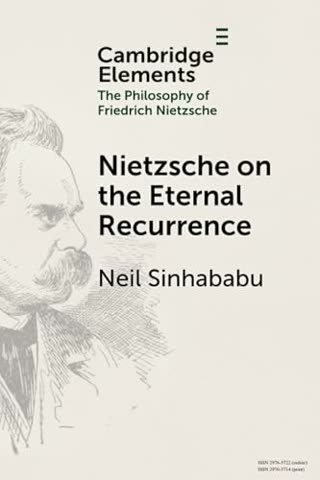
- 1 Nietzsche on the Eternal RecurrenceNeil Sinabu · 1× across 1 episode
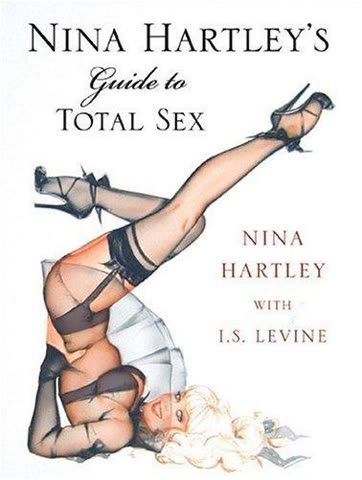
- 2 Nina Hartley's Guide to Better SexNina Hartley · 1× across 1 episode
- 3 Shameless Sex: Choose Your Own Pleasure Path to Unlock the Sex Life You've Been Waiting ForAmy Baldwin and April Lampert · 1× across 1 episode

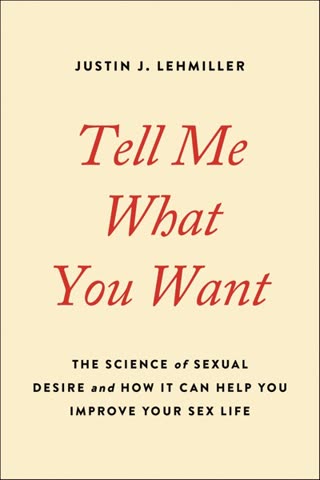
- 4 Tell Me What You WantJustin Lehmiller · 1× across 1 episode
- 5 The Erotic MindJack Morin · 1× across 1 episode
- 6 The Fellowship of the RingJ. R. R. Tolkien · 1× across 1 episode
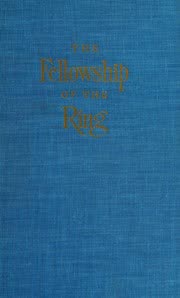
- 7 The Gay ScienceFriedrich Nietzsche · 1× across 1 episode

- 8 The Physics That Makes the Universe StickJim Al-Khalili · 1× across 1 episode TP
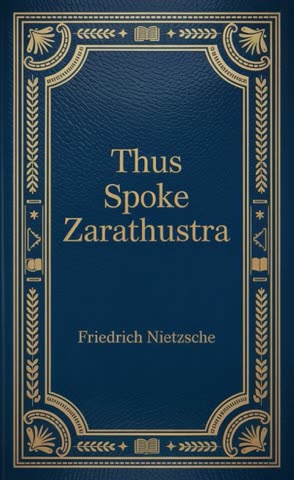
- 9 Thus Spoke ZarathustraFriedrich Nietzsche · 1× across 1 episode
- 1 Nietzsche on the Eternal RecurrenceNeil Sinabu · 1× across 1 episode
- 2 Nina Hartley's Guide to Better SexNina Hartley · 1× across 1 episode
- 3 Shameless Sex: Choose Your Own Pleasure Path to Unlock the Sex Life You've Been Waiting ForAmy Baldwin and April Lampert · 1× across 1 episode
- 4 Tell Me What You WantJustin Lehmiller · 1× across 1 episode
- 5 The Erotic MindJack Morin · 1× across 1 episode
- 6 The Fellowship of the RingJ. R. R. Tolkien · 1× across 1 episode
- 7 The Gay ScienceFriedrich Nietzsche · 1× across 1 episode
- 8 The Physics That Makes the Universe StickJim Al-Khalili · 1× across 1 episode TP
- 9 Thus Spoke ZarathustraFriedrich Nietzsche · 1× across 1 episode

“today we're going to talk about his book The Opposite of Happiness. How bad feeling z make. and break”
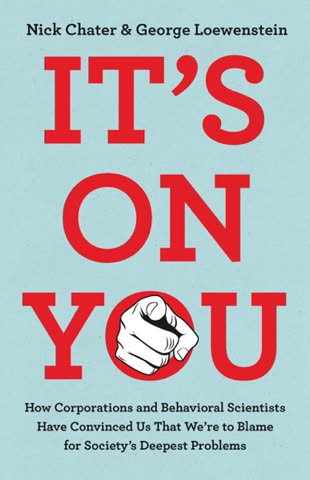
“Earlier this book, I wrote a book on public policy. It's um the title is It's on You. How corporations and behavioral scientists Have convinced us that we're to blame for the world's deepest problems”
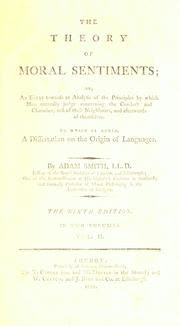
“he also wrote a different book. He wrote at first and he and he updated at last titled The Theory of Moral Sentiments”

“we have something called the model penal code, which is uh meant to provide cohesiveness across the different jurisdictions”
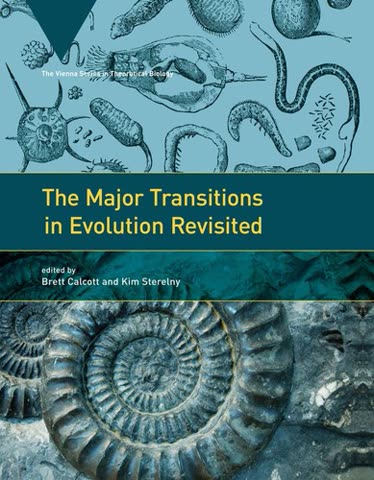
“the book of um Menaf Smith and Sassmarin in ninety Uh Ninety five, the major transition in evolution”
“I interviewed Dr. Javier Suarez, he wrote the book with Elizabeth Lloyd units of selection”
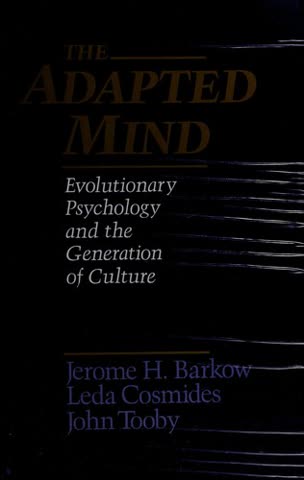
“with this book in ninety two. On the other hand, I think like we we should be able to Uh to um to talk about adaptation as”
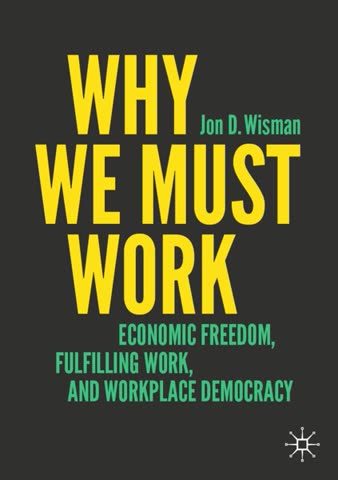
“And today we're going to talk about his latest book”
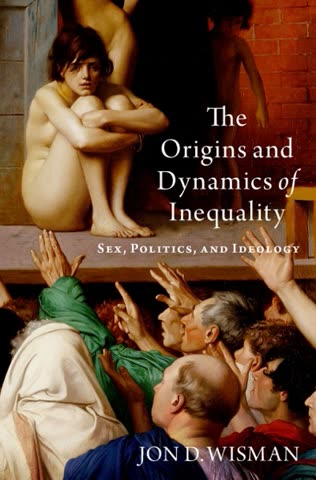
“that this book on work is a sequel to my earlier book on that you interviewed me on, which was The Origins and Dynamics of Inequality Sex Politics. And And And ideology”
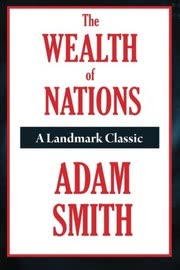
“Interestingly, that example that Adam Smith makes of the pen factory in the very beginning of The Wealth of Nations, published in seventeen seventy-six”
“There was a book written in the In the nineteen eighties. Bye. Uh a a man Uh An American. Psychologist within that. uh impossible name it's mahali sist What if he did is he studied What? condition humans were happiest in”
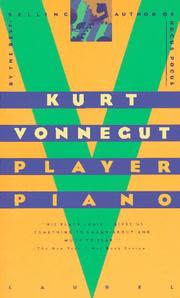
“It's called Player Piano. And it's a book. About The technological world becoming so sophisticated that technology replaces all work”

“Who's best known for his book. guns, terms, and steel, but he wrote another book published in night in 2005, I believe, called Collapse”
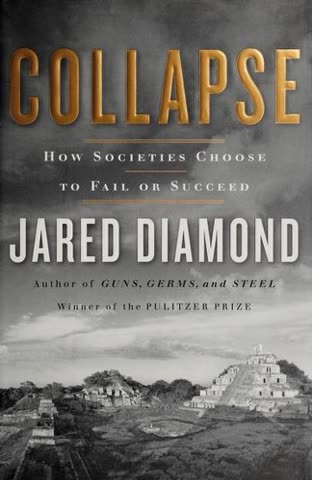
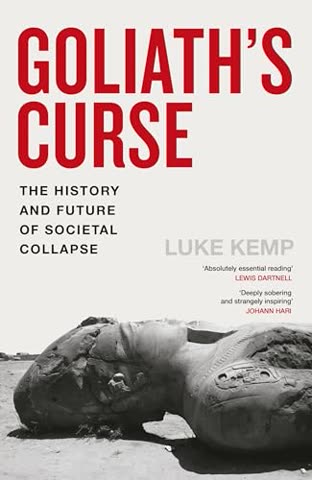
“but he wrote another book published in night in 2005, I believe, called Collapse. And that book collapse. Is about It's a little Vignettes. Of societies In which inequality has soared”
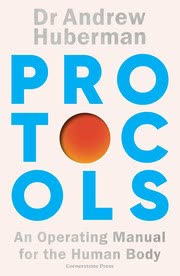

“today we're going to talk about his latest book, his new book, actually, The Man Who Broke Reality, Niels Bohr, and the Making of Modern Physics”

“There are very there are some kind of biographies. There was uh rather technical one, uh, but a very yeah useful one written by Abraham Pace, who was one of the physicists who worked with Bohr”
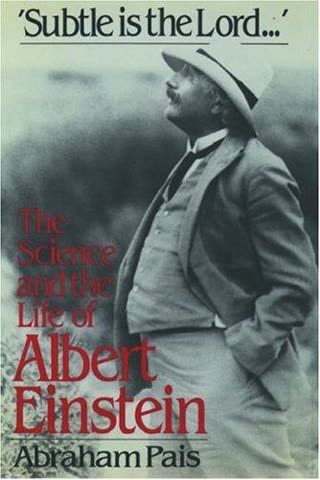
“And who also wrote biography of Einstein”
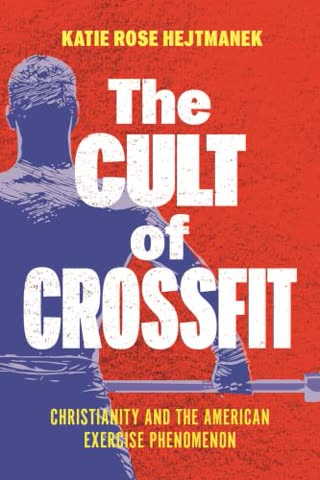
“And today we're going to talk about Her recent book, The Cult of Crossfit Christianity and the American Exercise Phenomenon”
“this idea that you can think yourself successful, this think and grow rich, or like early uh positive psychology, or all of that is influenced by this put together kind of American uh theology”
“In a in a really nice book that I really recommend you, which is called Unit Sub Selection by Javier Suarez and Ann Elizabeth Loy from two thousand twenty three”
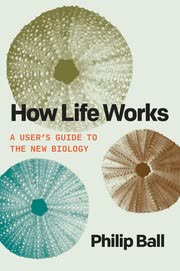
“I don't know if you have seen this other book, uh And so well, triggers. three three years ago by by Philip Ball”

“He's the author of three books Overcomplicated The Magic of Cold. And the book we're going to focus on today, the Half Life of Facts”
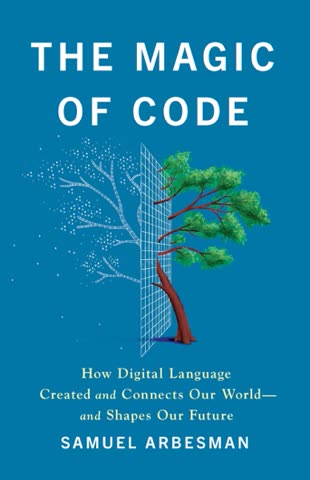
“He's the author of three books Overcomplicated The Magic of Cold”
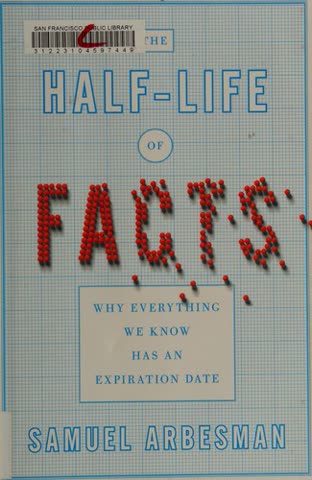
“the book we're going to focus on today, the Half Life of Facts, Why Everything We Know. has an expiration date”
“If you are writing a physics paper, chances that you are not going to be quoting like Isaac Newton's Principia because that's kind of the core”
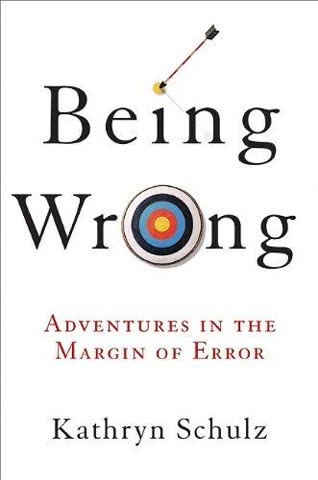
“There's this great book by Catherine Schultz called Being Wrong”

“was as far as I was able to discover, it's this really goes back to a professor at the University of Edinburgh in the middle of the twentieth century, Dennis Hay, who wrote an excellent short book on the history of the idea of Europe”
“in the middle of the century, about four four seven BCE, he began writing his history to explain all the things that Happened”

“there's a marvelous book by a colleague of mine”

“the probably the greatest novel ever written, War and Peace, really know takes issue with that”
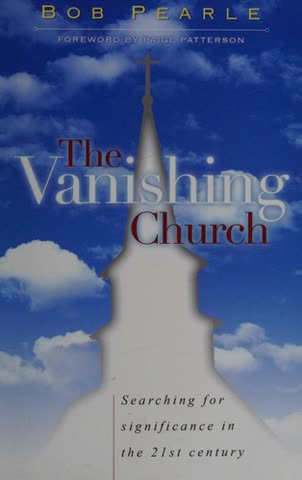
“And today we're going to talk about his book. The vanishing church, how the hollowing out of moderate congregations is hurting democracy, faith”
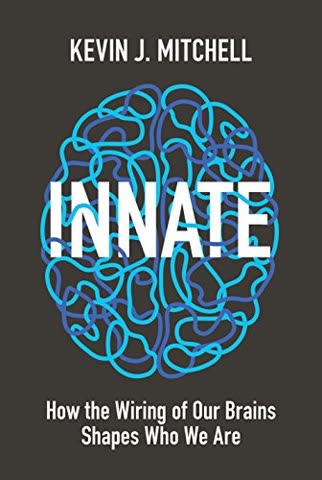
“when in our first interview about your book inate, but Um What are individual differences in psychological traits”
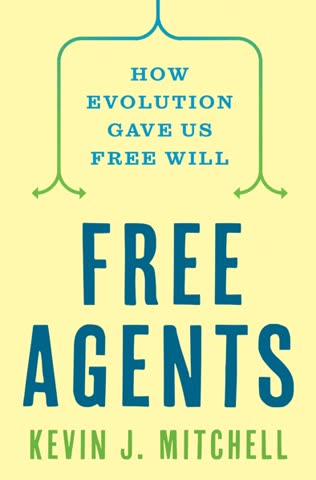
“this is exactly why I wrote Free agents. Is because I had written innate”
This website uses cookies
We use cookies to make Bookmenti work and, with your consent, to understand how it is used so we can make it better. Allow all, Deny the optional ones, or Customize what you allow.
Necessary cookies make a website usable by enabling basic functions like page navigation and remembering the choices you make. The website cannot work properly without them.
Remembers your answer in the cookie dialog, so you are not asked on every page.
Only set when a member of our own team signs in to Bookmenti Studio, the tool we plan our book clips in. It keeps them signed in. Visitors never get it.
Only set if Cloudflare, the network that delivers this site, has had to check that your browser is not an automated attack. It remembers that you passed, so you are not checked again on every page. It is not used to follow you.
Preference cookies let a website remember information that changes how it looks or behaves, like your preferred language or the region you are in.
We don’t currently use any cookies in this category.
Statistics cookies help us understand how visitors use the website by collecting and reporting information, so we can make it better.
Umami, which we host ourselves on servers in the EU. It shows which pages are visited and what is clicked, and can replay how a visit went, with typed text hidden. It sets no cookie, keeps nothing in your browser, and the data is not shared with anyone.
Tells visits apart with a random ID and keeps the current session together, so page views and clicks can be counted per visit instead of per click.
Tells visits apart with a random ID and keeps the current session together, so page views and clicks can be counted per visit instead of per click.
Keeps details of the current visit in this tab, such as the page it started on and where it came from, so they can be attached to what is counted.
Keeps details of the current visit in this tab, such as the page it started on and where it came from, so they can be attached to what is counted.
Tells the tabs of one visit apart, so a recording of the visit plays back in the right order.
Tells the tabs of one visit apart, so a recording of the visit plays back in the right order.
Marketing cookies are used to follow visitors across websites, so that ads can be shown that are relevant to the individual visitor.
We don’t currently use any cookies in this category.
Cookies are small text files a website can use to make a visit work better. The same rules apply to similar storage in your browser, so we list both here.
The law lets us store what is strictly necessary for the site to work. For everything else we need your permission, and nothing optional loads before you give it.
You can change or withdraw your consent at any time with the cookie button in the lower left corner. The Cookie Declaration lists exactly what we use, and the Privacy Policy says who we are and how we handle personal data.
Eggvelop ApS · CVR 44287463